

The Disruption of Technology in Latin American Schools
Access to a globalized world has broken the mold of the education sector in Latin America. The current model of instruction, standardized and monolithic, sets its focus on simplicity, convenience and homogeneity, characteristics that do not meet the needs of the student of the twenty-first century.
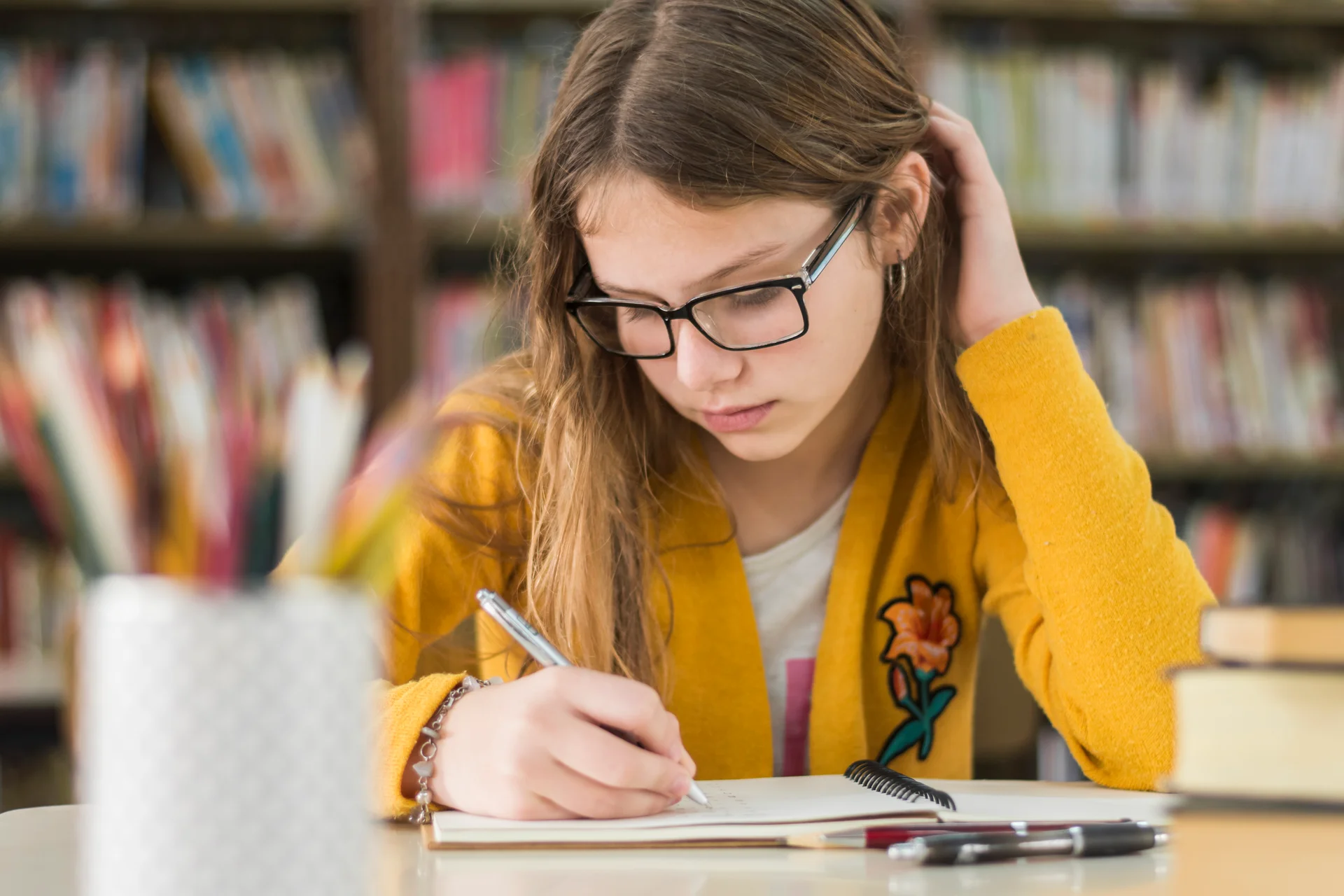
Today, schools in Colombia must transform their pedagogical models through disruptive teaching techniques that offer differentiated services, carved to the individual student's needs, that understand their desire for personalization, that they have access to unique and economically viable learning opportunities. They should consider the transformation of traditional spaces, by digital ecosystems that reflect a culture focused on innovation and development, with its focus on heterogeneity. This needs to start a new way of doing things in schools worldwide, known as blended learning.
In simple terms, blended learning It combines traditional teaching with teaching in-line technology-supported teaching. The Internet, becomes the catalyst that allows the student to empower with its learning process. Being focused on the student, it becomes personalized and competency-based. It allows flexibility in the pace of learning, the place, and even the way; hearing, visual or kinesthetic. In this way the student sets his goals, generating a sense of responsibility and empowerment of his learning process and needs.
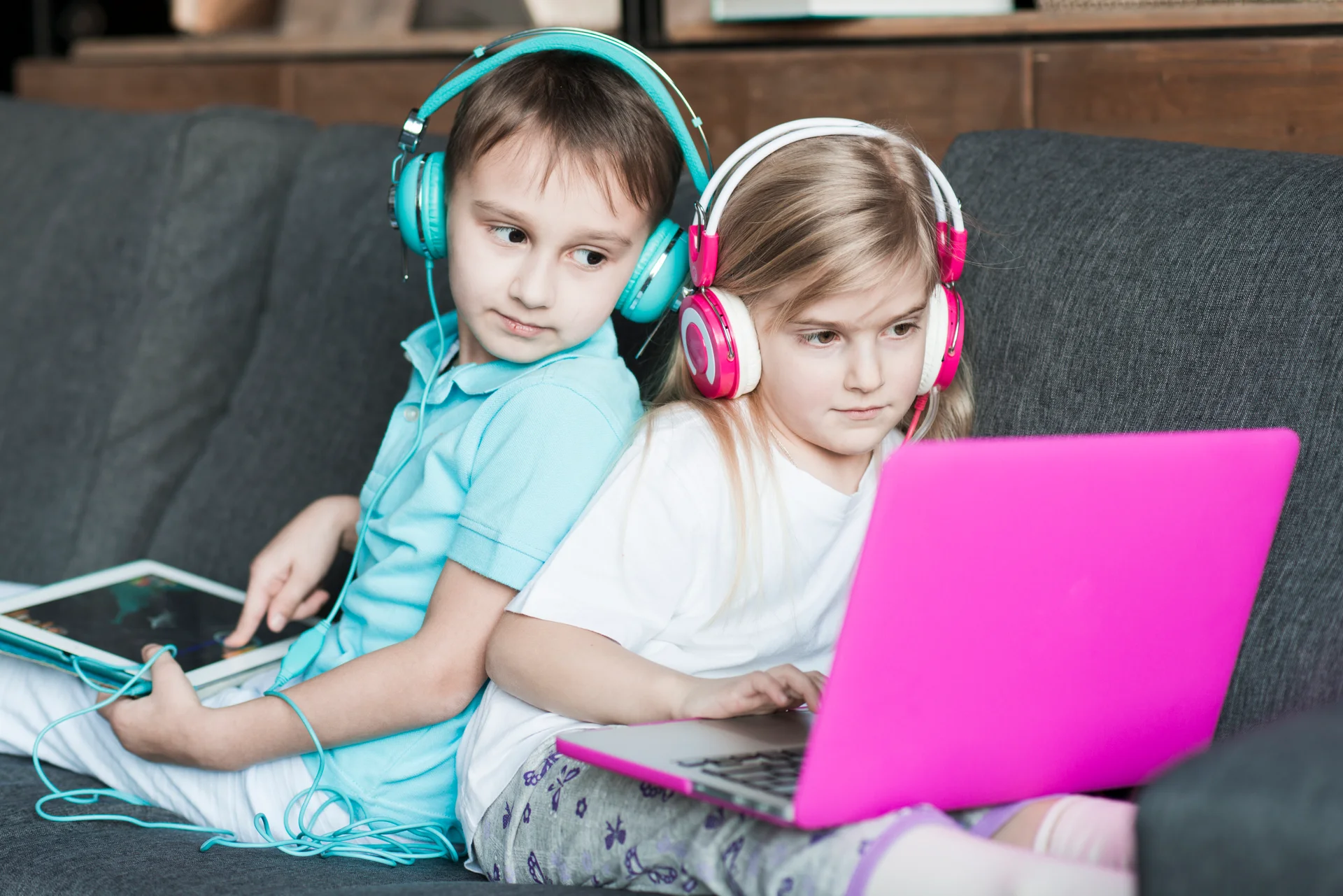
Traditional physical spaces in schools are also undergoing transformation. One-person desks are replaced by working tables that encourage collaboration and teamwork. Connectivity, bandwidth, content control equipment, access points and other equipment required to have a support infrastructure, they start to make part of the investment budget of schools. Campaigns are being developed BYOD (Bring Your Own Device) encouraging the student to bring his or her own device to allow him or her access to the digital world. The current of blended learning It is so strong that even the avant-garde schools have already modified their institutional education plan to make it inclusive and responsive to situations and needs of the students, the local community, the region and the country.
But how does an example of learning environment work under the model blended learning? Simple. As a first measure both the en- line and the face component must go hand in hand. The teacher first defines the objective of the subject, then the student has the freedom to study the subject through learning platforms, watching webinars, consulting cured pages, playlists video in youtube; in its most convenient time and place of preference. The teacher receives data through interactive learning platforms, evaluation or valuation applications such as Google Forms or through gamification, which corresponds to the use of elements of game design, thought and mechanics making use of applications such as Quizizz or Kahoot. In this way, the teacher makes data-based decisions aimed at redirecting, strengthening and monitoring the learning process each student. The physical classroom is transformed: from a traditional room to one divided with work tables or stations, where small groups of students work collectively on different themes, but towards the same goal.
The role of the teacher migrates from being a knowledge transmitter to a guidance or Sherpa: term used to refer to the guides of Nepal who lived in the Himalayas, thus accompanying the students on their journey along the mountain path of their learning. With small stations, where students rotate every certain time established, the teacher has the possibility of having more closeness to the students, as he can attend 6 instead of 25 at a time. There are research, collaborative work, individual work and regular teaching time stations in front of the teacher. This allows the instruction to become personalized as the students find spaces of greater confidence where they can express themselves freely without any kind of prejudice. In this way, they resolve their doubts, strengthen their critical thinking, improve their collaborative and communication skills, becoming lifelong apprentices.
The scope of this technological disruption to the Colombian educational system transcends the barriers of imagination. There are different models of blended learning: Rotation, Flex, A la Carte, Enriched Virtual (know more). These allow educational institutions to also personalize their learning models, carving them to their own needs. Today we can even think of having teachers who dictate different subjects from their respective countries of origin, without having to be in physical school. This would not only allow Colombian schools to reduce their payroll costs and housing, but they could also expand the scope of their academic pensum, thus improving their promise of value which impacts more students, different niches (multiculturality) and the generation of differential business models.
We're in transformational times. This is why schools in Latin America are the first step towards the reform of their pedagogical strategy. The adjustments in the IIP must respond to the pace at which these trends change, so that the teaching models of schools are updated and meet the needs of an increasingly globalized world.
These disruptive technologies have broken the mold of traditionalism in the Latin American educational system; the cracks permeate the particular needs of each of our students, needs that do not give hope: change is imminent. The decision is to adapt or succumb.
REFERENCIAS
HORN, M., AND STAKER, H., (2015), BLENDED: USING DISRUPTIVE INNOVATION TO IMPROVE SCHOOLS, JOSEY-BASS, SAN FRANCISCO, USA
CLARK, H., AND AVRITH, T., (2015), THE GOOGLE INFUSED CLASSROOM, ED TECH TEAM PRESS, IRVINE, CALIFORNIA, USA